Inclusive Education
We work with caregivers, schools, and communities to create learning pathways that welcome disabled children with dignity and practical support.
Lukhanyo Iwethu exists to help children and youth in rural South African communities access learning, support, and advocacy that reflect their humanity. We believe every child deserves to be seen, every caregiver deserves support, and every village deserves pathways to hope.
Visual direction
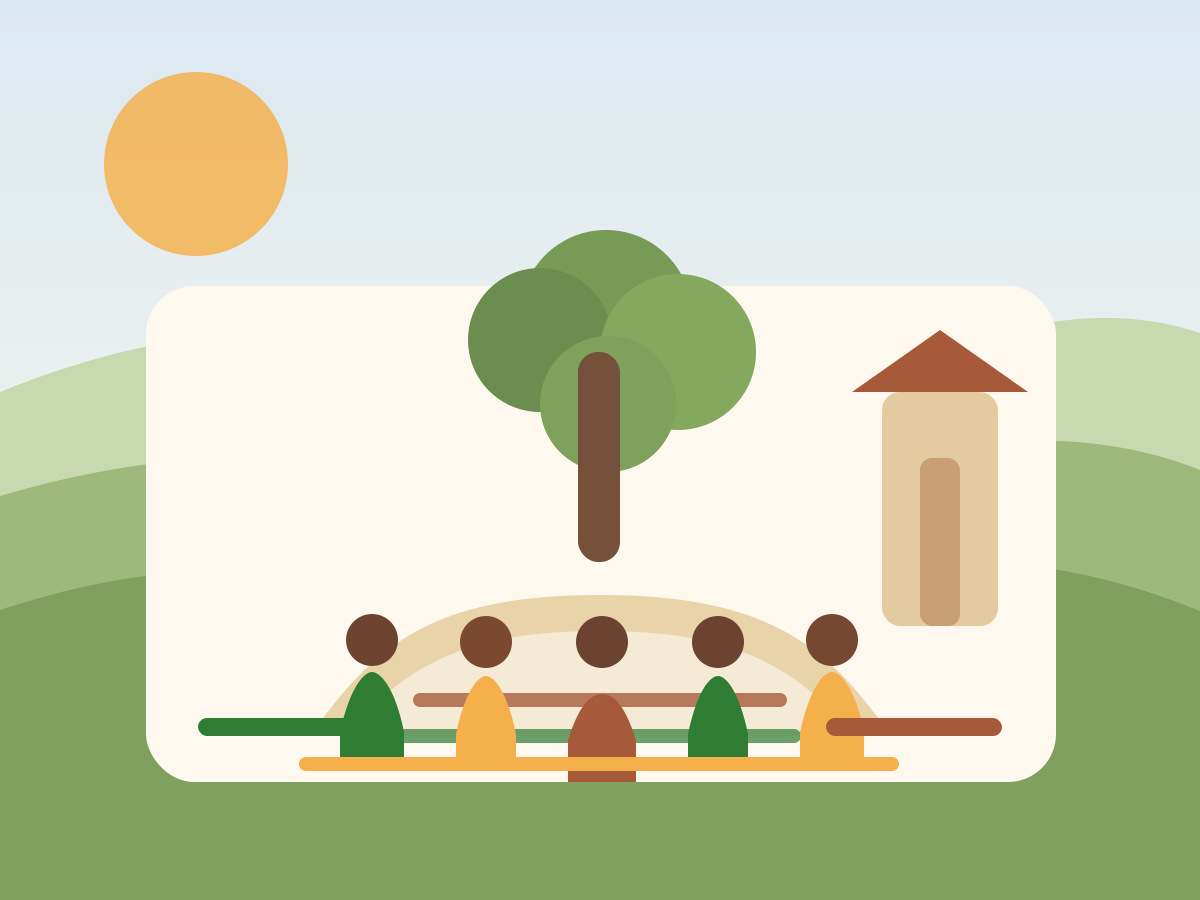
Community trust grows through listening circles, family engagement, and village-based support spaces that feel familiar and respectful.
Across many rural communities, disabled children and young people living with mental health challenges are still too often met with silence, misunderstanding, or exclusion.
Lukhanyo Iwethu was built in response to that reality. We saw the cost of inaccessible learning, stigma around mental wellbeing, and limited local support systems. Our response is community-rooted: listen first, work in partnership, and build practical spaces where children, families, educators, and local leaders can move forward together.
To support disabled children, empower youth, and address mental health stigma in rural villages through inclusive education, advocacy, and community-based learning.
A future where every child and young person in rural communities can access support, education, and belonging without stigma or exclusion.
Our values shape not only what we do, but how we show up in relationships, facilitation, and advocacy.
Our model combines inclusion, mental health awareness, and collaborative action so support is practical rather than symbolic.
We work with caregivers, schools, and communities to create learning pathways that welcome disabled children with dignity and practical support.
We open conversations around mental wellness, grief, stress, and stigma so young people and families can seek support earlier.
We bring together local leaders, parents, facilitators, and volunteers to turn awareness into sustained action in each village.
Disability support and mental health advocacy are especially urgent in underserved rural areas where transport, services, information, and adaptive resources may be limited.
When children are excluded from learning and young people are taught to hide emotional struggle, the effects ripple through families and whole communities. Inclusive support changes that trajectory by building confidence, connection, and possibility.
Your support helps fund inclusive learning materials, community workshops, caregiver support sessions, and youth-led advocacy.